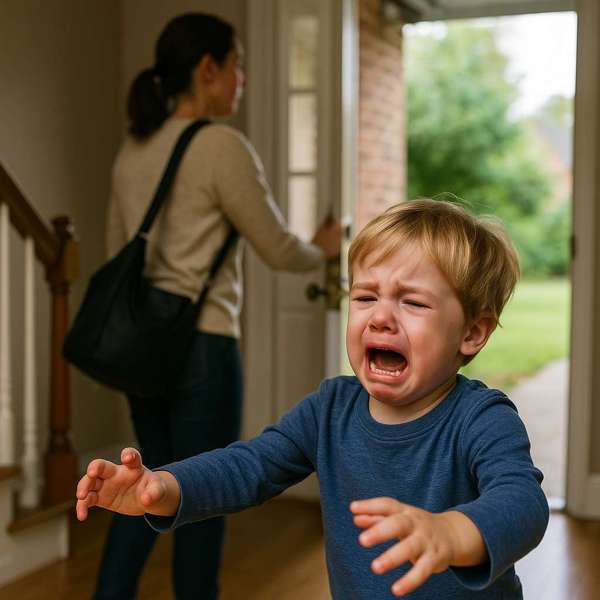
Separation anxiety is a natural emotional response that occurs when a person experiences fear after being away from someone they’re emotionally attached to.
With the right strategies, separation anxiety can be reduced with care and patience.
The Basics of Separation Anxiety
It often appears in childhood but can also occur in adults due to life transitions.
It can manifest in several forms, including:
- Emotional breakdowns when apart
- Clinging behavior
- Physical symptoms like headaches or nausea
What Triggers Separation Anxiety
There are many reasons someone may develop separation anxiety.
Possible triggers are:
- Starting school or daycare
- Losing a parent or pet
- Limited social exposure
- Genetic predisposition
Identifying Separation Anxiety
Early detection of separation anxiety can help in preventing it from worsening.
Be mindful of:
- Frequent crying when someone leaves
- Worrying excessively about loved ones’ safety
- Nightmares about separation
Helping Kids Cope with Separation
Supporting children through separation anxiety requires clear communication and structure.
Strategies to help include:
- Say goodbye consistently
- Use positive reinforcement
- Practice independence-building activities
- Avoid sneaking out
Managing Anxiety in Grown-Ups
It's important not to read more ignore the symptoms and seek help, self-awareness, or therapeutic tools.
Coping methods include:
- Therapy or counseling
- Using relaxation techniques
- Building a support network
- Reframing your mindset
Getting the Right Support
If separation anxiety is interfering with daily life, it may be time to seek help.
Signs it’s time to talk to a specialist:
- Constant worry about loved ones
- Ongoing panic attacks
- Avoidance of essential tasks
Final Thoughts on Separation Anxiety
Separation anxiety can be intense but temporary.
Don’t be afraid to ask for help.